A second street
The Crawl, also called Throatwork, is not one secret tunnel or a dependable underground railway. It joins service hatches, culverts, low stairs, flooded choke points, warm pipes, abandoned sleeves, and pockets in older concrete. Routes open for a time, close after a surge, and remain known only to people who can get there.
It is inhabited infrastructure. Workers sleep between shifts, families use dry shelves, emergency bundles wait above the current, and small fauna move through gaps too narrow for a human body. Charcoal arrows, fur caught in mortar, a particular knock, or three nails beside a slant pipe can matter more than a district sign.
Permission beneath permission
A recognized token, an introduction, current airflow, water knowledge, and a local keeper's consent can all be necessary. A capable body is not a universal body; companions may have to adapt the crossing. A route sold yesterday may be underwater today.
Zeno's mouths connect toward Barge through this lived network. Tunnel guards inspect companions, hands, tokens, and behavior. Payment can include useful information, such as a change in flood timing. Emergency stores remain because the person leaving them may be the next traveler caught below. Brokers can save a life and exploit desperation in the same bargain.
What the hidden road offers
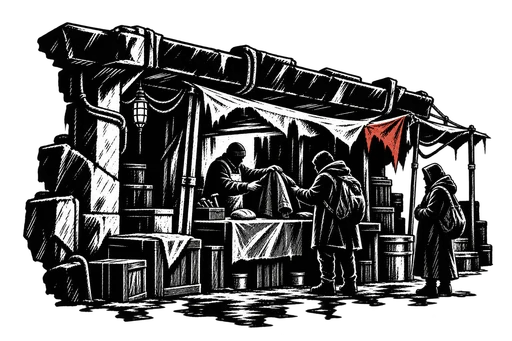
Saint's Market, also known as Vowlight, is a protected black-market pocket. Its rules are strict because dangerous traders all benefit from a promise of safety. Better coats, cleaner food, and tools from one tier above are more plausible stock than effortless access to the highest city.
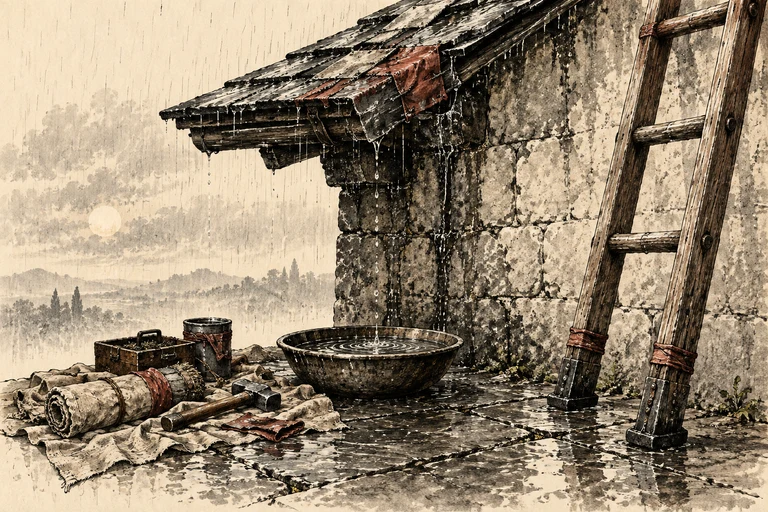
Deathrow, or Last Ladder, is an illegal vertical passage where drainage and maintenance infrastructure meet. It is sought when official delay has become unbearable. A surge can turn ascent into drowning, pinning, or injury; the route's brutal expectation is that a group may not stop for someone left behind.
A freedom crack can close without a new wall. One broken rung, fresh waste stream, territorial animal, or keeper's refusal can end it. Hidden movement never guarantees safe movement, and escape leaves somebody responsible for the people and possessions that could not be carried.